

Some Furniture Is Bought. Some Is Collected.
Walk into a home filled with ordinary furniture, and you will notice the room.
Walk into a home with a remarkable handcrafted piece, and you will notice the story.
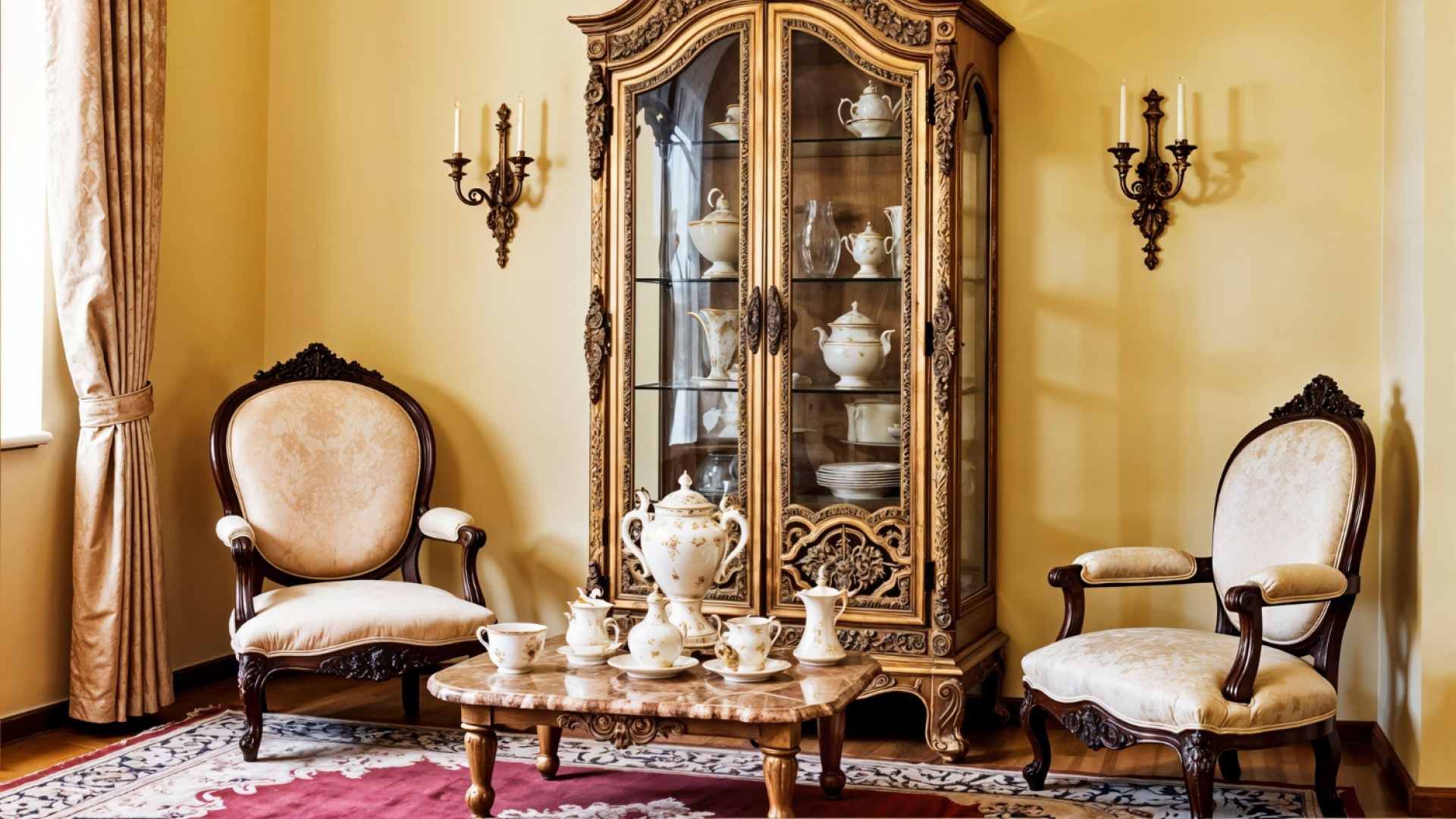
A hand-carved walnut cabinet. A teakwood console shaped by generations of craftsmanship. A dining table where the grain of the wood feels just as important as the design itself. These are not simply objects placed within a space. They are pieces that bring personality into a home.
This is why heritage furniture continues to hold its place in luxury interiors. In a world filled with mass production, it offers something increasingly rare: authenticity.
Why Modern Homes Are Searching for More Character?
Many contemporary interiors are beautifully designed, yet they can sometimes feel predictable.
The layouts are polished. The materials are expensive. Everything works exactly as it should.
Yet something feels missing.
The reason is often a lack of individuality. When every piece looks like it could belong anywhere, the home loses the ability to feel truly personal.
Luxury today is moving away from perfection and towards character. Homeowners are looking for spaces that reflect who they are rather than simply showcasing what they own.
The most memorable homes are not the ones that follow every trend. They are the ones that feel impossible to replicate.
The Beauty of Human Hands
There is a reason handcrafted furniture feels different.
Behind every carved detail, hand-finished edge, and carefully joined surface is time, patience, and skill. Unlike factory-made pieces, handcrafted furniture carries small imperfections that make it unique.
This is where luxury craftsmanship creates its value.
Materials such as solid oak, walnut, teak, natural stone, brushed brass, and premium leather are transformed through techniques that have often been passed down through generations. The result is furniture that feels rich not only in appearance but also in meaning.
You are not simply buying a piece. You are preserving a craft.
When Materials Become Part of the Design Story?
Luxury is often experienced through texture before it is noticed through appearance.
The cool touch of marble. The warmth of natural timber. The soft comfort of leather. The subtle shine of aged brass.
These materials create a sensory experience that cannot be achieved through shortcuts.
The appeal of artisanal furniture comes from the way these elements work together. Every material is selected for its character, durability, and ability to age beautifully over time.
Years later, these pieces often look even better because they develop a patina and depth that only genuine materials can offer.
Creating Contrast in Contemporary Interiors
One of the most effective ways to elevate a modern home is through contrast.
Clean architectural lines become more inviting when paired with handcrafted details. Minimal spaces gain warmth when natural materials are introduced. Contemporary settings feel more balanced when they include elements with history and texture.
This is why premium interiors often combine modern design principles with traditional craftsmanship. The relationship between old and new creates visual depth and a stronger sense of identity.
The result feels layered rather than decorated.
The Pieces People Remember
Guests rarely remember every finish, fabric, or accessory within a home.
What they do remember is the piece that captured their attention.
A sculptural console. A handcrafted dining table. A beautifully detailed cabinet that became the centre of conversation.
This is the power of statement decor. It gives a room a focal point while revealing something about the people who live there.
At LuxDeco, we believe great interiors are built through thoughtful choices that combine artistry, craftsmanship, and purpose. Because long after trends fade, the pieces that remain are the ones that tell a story.
Years from now, people may forget the layout of a room, but they will remember how it made them feel. That is where design becomes more than decoration and starts happening.
