

“Have nothing in your houses that you do not know to be useful or believe to be beautiful.”
– William Morris, British designer, artist and writer
Some homes have paintings that have travelled with the family for years. Others have photographs, sculptures or artwork picked up during holidays. These pieces often carry stories that make them worth keeping. William Morris’s words feel particularly relevant here because the art we choose to live with often reflects our experiences and personal tastes. But finding the right place for each piece can be tricky, especially when planning an entire home’s interiors. A thoughtful art wall design considers more than a painting’s size or frame colour. It looks at how artwork fits into a room, what surrounds it and where people will naturally notice it. For Pune homeowners, planning around an existing collection can make interiors feel more personal from the start.
Begin With What You Already Have
Before choosing wall colours or furniture, spend some time looking through your collection.
Which painting deserves a prominent spot? Are there family photographs you’d like to display together? Does a sculpture need space to be appreciated from different angles?
Answering these questions early can save you from rearranging furniture or changing wall finishes later.
Where Should Your Artwork Go?
A beautiful painting can lose its impact when placed on the wrong wall.
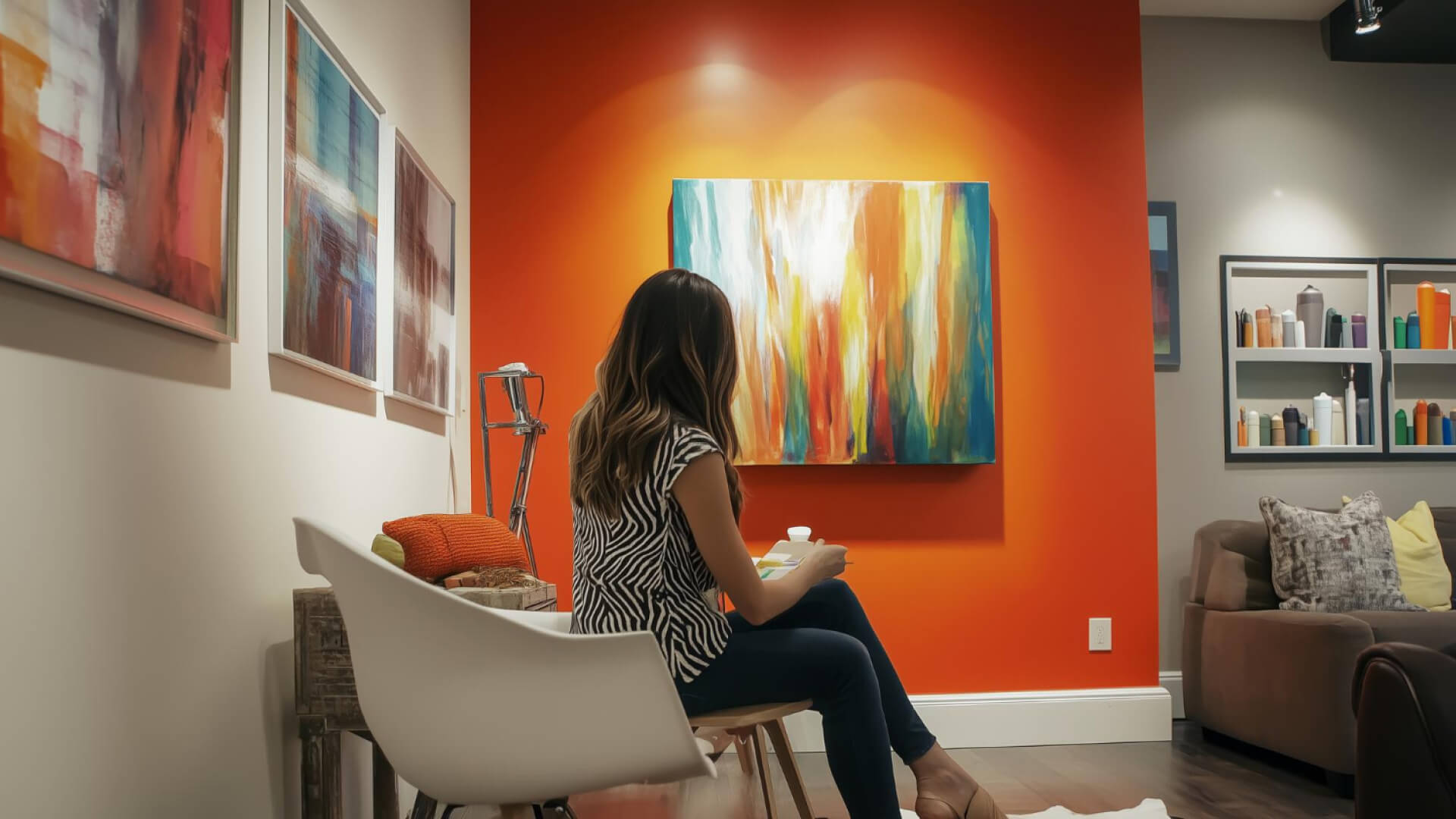
For effective gallery wall placement, consider where people will see the artwork. A large canvas may suit the wall behind a sofa, while a collection of smaller photographs could work along a staircase.
Pay attention to proportions, too. Artwork placed too high can feel disconnected from the furniture beneath it. Try arranging smaller frames on the floor before fixing them to the wall.
Give Every Piece the Right Light
Lighting deserves attention when displaying art at home, particularly for paintings with delicate colours or framed photographs.
Direct sunlight can gradually affect certain materials, making placement near large windows worth reconsidering.
When selecting art lighting for homes, adjustable spotlights can illuminate larger paintings, while picture lights work well for individual framed pieces. Check how the artwork looks from different seating positions to avoid distracting reflections.
What About Sculptures and Collectibles?
Not everything belongs in a frame.
A ceramic sculpture might look better on a console, while smaller collectibles can be arranged inside an open display cabinet. Larger pieces may need dedicated shelves or plinths.
Leave enough room around each object so its shape and detailing remain visible.
Bring Your Collection Into the Planning Process
If you’re planning a complete home interior, share your art collection with your interior designer early.
At LuxDeco, artwork can be considered alongside furniture layouts, wall finishes and lighting plans, helping homeowners create spaces that accommodate the pieces they already love.
