

Introduction
Modern homes are becoming more than just living spaces. They are personal galleries that express taste, lifestyle, and identity. Sculptural furniture is at the heart of this movement. These are not only functional pieces but also artistic forms that add drama, elegance, and personality to interiors.
Sculptural furniture brings curves, bold silhouettes, smooth textures, and statement forms into the home. It turns everyday objects like chairs, tables, and sofas into visual focal points. Instead of blending into the background, furniture becomes the hero of the room. This trend is especially popular in contemporary luxury interiors where creativity and comfort meet art.
From curved sofas to organic stone tables, sculptural furniture is changing the way modern homes look and feel. Let us explore the key trends shaping this beautiful design direction.
Table of Contents
- What is sculptural furniture
- Why sculptural furniture is trending in modern homes
- Key characteristics of sculptural furniture design
- Popular sculptural furniture materials
- Sculptural seating trends
- Sculptural tables and consoles
- Statement lighting as sculptural art
- How to style sculptural furniture in modern interiors
- Common mistakes to avoid
- Conclusion
- FAQs
- What is sculptural furniture
Sculptural furniture refers to pieces that look artistic or sculpted rather than purely utilitarian. They often resemble art installations or sculpture forms and are designed to attract visual attention.
They may feature:
- curved lines
- bold proportions
- organic shapes
- asymmetrical forms
- dramatic presence
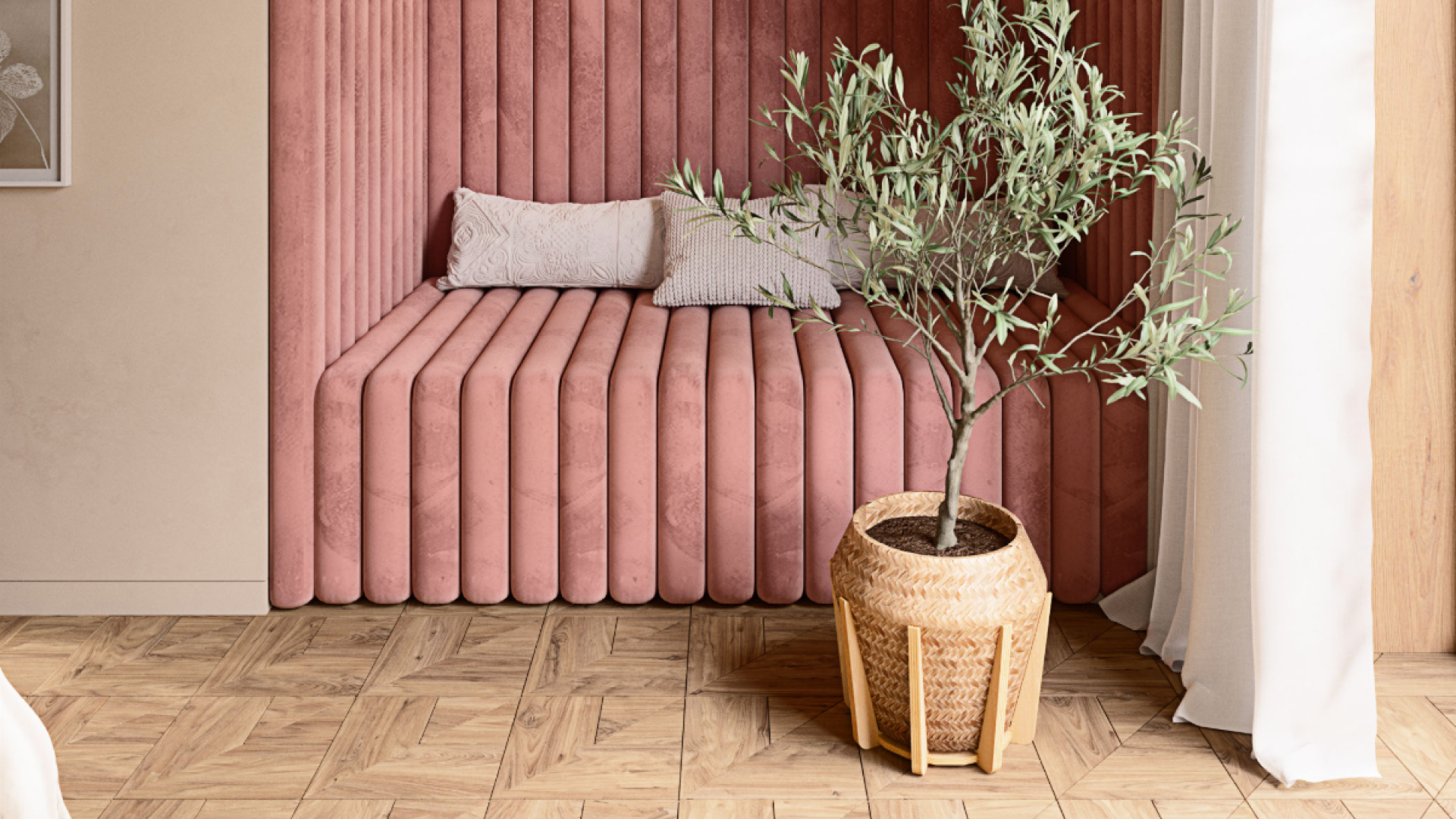
A sculptural chair might look like a flowing wave. A sofa may have rounded edges and cloud like softness. A table might be carved from one stone block with a fluid natural edge. Each piece carries personality.
- Why sculptural furniture is trending in modern homes
Several reasons explain the rise of sculptural furniture:
- Homes today are designed as lifestyle expressions, not just living utilities
- Social media and design platforms inspire bolder choices
- Open plan spaces need strong visual anchor pieces
- Minimalist architecture pairs beautifully with statement shapes
- People value unique aesthetics over mass produced designs
Sculptural pieces transform simple spaces into memorable interiors instantly. A neutral room with one strong sculptural sofa or table already feels curated and luxurious.
- Key characteristics of sculptural furniture design
Sculptural furniture usually shares certain design traits:
- Soft flowing curves rather than rigid straight lines
- Organic natural forms inspired by stones, waves, or clouds
- Voluminous shapes with visual weight
- Smooth tactile surfaces
- Artistic presence even when not in use
These pieces invite people to look, touch, and admire. They blur boundaries between fine art and furniture design.
- Popular sculptural furniture materials
Materials play an important role in sculptural design. The most common include:
- Solid wood with natural grains
- Marble and travertine stone
- Polished plaster and resin forms
- Upholstered velvet or boucle fabrics
- Metal bases with smooth or brushed finishes
Natural materials are especially popular because they bring warmth and authenticity to artistic shapes.
- Sculptural seating trends
Seating is one of the strongest categories in sculptural furniture.
Curved sofas
Curved sofas soften the geometry of the room and promote social interaction by creating a natural conversation circle.
Bubble and cloud sofas
These feature rounded cushion forms that look soft, cozy, and playful, adding comfort with artistic flair.
Artistic accent chairs
Accent chairs with twisted backs, circular bases, or cocoon like shells turn into instant statement pieces in living rooms or bedrooms.
- Sculptural tables and consoles
Tables are no longer flat planes on simple legs.
Pedestal tables
Single base pedestal tables create a clean sculptural profile. The base often becomes the artistic focal point.
Stone and marble tables
Chunky stone tables with imperfect edges look like hand carved sculptures from nature.
Console tables as art pieces
Placed in entryways or corridors, sculptural consoles set the tone for sophisticated interior style.
- Statement lighting as sculptural art
Lighting fixtures now act as three-dimensional sculpture forms.
Examples include:
- large flowing chandeliers
- ribbon like metal fixtures
- clustered glass globes
- abstract floor lamps
These not only illuminate the space but also create dramatic shadow patterns.
- How to style sculptural furniture in modern interiors
To integrate these bold pieces successfully:
- Allow negative space so the piece can breathe
- Avoid overcrowding the room
- Pair statement furniture with neutral backgrounds
- Use soft natural color palettes
- Balance curves with simple architectural forms
Let each sculptural piece become a visual anchor in the space.
- Common mistakes to avoid
- Adding too many statement pieces in one room
- Mixing too many contrasting shapes that fight each other
- Choosing form over comfort completely
- Ignoring scale and proportion
The goal is harmony. Sculpture inspired furniture must look bold but still feel livable.
Conclusion
Sculptural furniture design is reshaping modern homes by merging art with function. These pieces bring emotion, character, and drama into interior spaces. Whether through curved sofas, stone tables, or bold lighting forms, sculptural furniture turns homes into curated artful environments.
The trend reflects a deeper shift in lifestyle. People no longer want only practical furniture. They want pieces that tell stories, spark conversation, and express individuality. Sculptural design delivers all of this while keeping interiors luxurious, modern, and visually unforgettable.
Bring artful furniture into your everyday living
FAQs
Q1: What rooms are best for sculptural furniture
Living rooms, entryways, and lounges are ideal since they offer open space for statement pieces.
Q2: Is sculptural furniture comfortable
Yes, many modern sculptural designs combine ergonomic comfort with artistic form, especially in sofas and chairs.
Q3: Does sculptural furniture suit small homes
Absolutely. One bold sculptural piece can make even a small space look designer styled when the rest of the room is kept simple.
Q4: Are sculptural pieces expensive
They can be premium due to craftsmanship and material quality but there are also affordable artistic options available.
Q5: What colors work best with sculptural furniture
Neutral tones like cream, beige, stone, charcoal, and soft earth shades help highlight sculptural shapes beautifully.
