

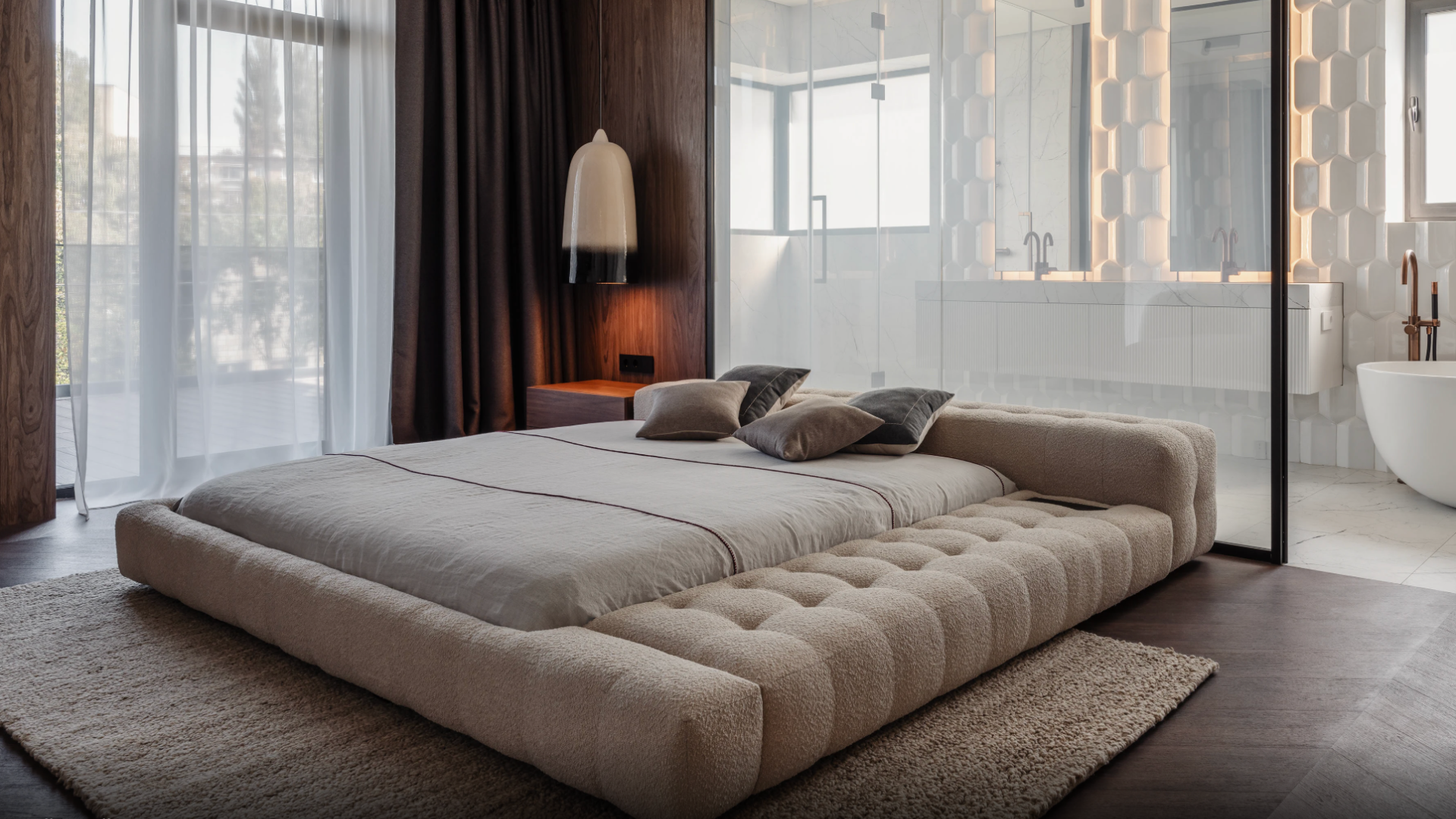
Discover how custom furniture design solutions help create unique home interiors. Learn the benefits, process, and design considerations for tailored furniture that enhances comfort and value.
Table of Contents
- Introduction
- Why Custom Furniture Matters in Modern Homes
- Custom Furniture vs Ready-Made Pieces
- Designing Furniture Around Your Space
- Material and Finish Selection
- Balancing Aesthetics With Functionality
- Long-Term Value of Custom Furniture
- Conclusion
- FAQs
Introduction
Every home has its own layout, proportions, and personality. Yet, many interiors are forced to adapt to standard furniture sizes that are designed for mass production rather than individual living spaces. This is where custom furniture design becomes essential. Instead of adjusting your home to fit furniture, custom solutions allow furniture to be designed around your home.
Design-led practices, such as those followed by LuxDeco, approach custom furniture as an extension of the interior concept. The result is furniture that enhances flow, comfort, and visual harmony while reflecting the homeowner’s lifestyle.
- Why Custom Furniture Matters in Modern Homes
Modern interiors prioritise efficiency, clarity, and comfort. Custom furniture supports these goals by addressing specific spatial and functional needs.
Key reasons custom furniture works
- Tailored proportions that suit the room size
- Better space utilisation, especially in compact homes
- Seamless integration with the overall design language
Custom furniture ensures that no area feels underused or overcrowded.
- Custom Furniture vs Ready-Made Pieces
While ready-made furniture offers convenience, it often comes with limitations.
Limitations of standard furniture
- Fixed dimensions that may not fit well
- Limited material and finish options
- Generic designs that lack individuality
Advantages of custom furniture
- Designed to exact measurements
- Freedom to choose materials and finishes
- Unique designs aligned with the interior concept
Custom pieces create interiors that feel intentional rather than assembled.
- Designing Furniture Around Your Space
Successful custom furniture design begins with understanding the space.
Design considerations include
- Room dimensions and circulation flow
- Ceiling heights and architectural elements
- Natural light and ventilation
- Daily usage patterns
By designing furniture around these factors, spaces remain functional while appearing visually balanced.
- Material and Finish Selection
Material choice plays a significant role in durability and visual appeal.
Common material options
- Solid wood and engineered wood
- Metal accents for structure and detailing
- Upholstered finishes for comfort
- Stone or glass elements used selectively
Choosing the right finishes ensures furniture ages gracefully and remains relevant over time.
- Balancing Aesthetics With Functionality
Well-designed furniture must look good and perform well.
Functional aspects to consider
- Ergonomic seating and work surfaces
- Smart storage integration
- Easy maintenance and cleaning
Custom furniture allows designers to balance beauty with practicality without compromise.
- Creating Cohesion Through Custom Pieces
Custom furniture helps maintain consistency across interiors.
How cohesion is achieved
- Repeating materials and finishes
- Aligning furniture forms with architectural lines
- Maintaining consistent proportions across rooms
This approach creates interiors that feel calm, refined, and well-planned.
- Long-Term Value of Custom Furniture
Custom furniture is an investment in both comfort and longevity.
Long-term benefits
- Better durability compared to mass-produced pieces
- Reduced need for replacements
- Timeless designs that adapt to changing décor
Over time, custom furniture often proves more cost-effective due to its quality and relevance.
Conclusion
Custom furniture design solutions allow homeowners to create interiors that are truly unique. By tailoring furniture to space, function, and lifestyle, homes become more comfortable, efficient, and visually refined.
When planned thoughtfully, custom furniture enhances not only everyday living but also the long-term value and identity of a home.
FAQs
Q 1. Is custom furniture only suitable for large homes?
No. Custom furniture is especially useful in small or irregular spaces where standard furniture does not fit well.
Q 2. Does custom furniture cost more than ready-made furniture?
Initial costs may be higher, but better durability and exact fit often make it more cost-effective over time.
Q 3. How long does it take to design custom furniture?
Timelines vary based on complexity, materials, and craftsmanship, but proper planning ensures smooth execution.
Q 4. Can custom furniture be updated later?
Yes. Well-designed custom pieces can be adapted or refinished to suit evolving interiors.
