

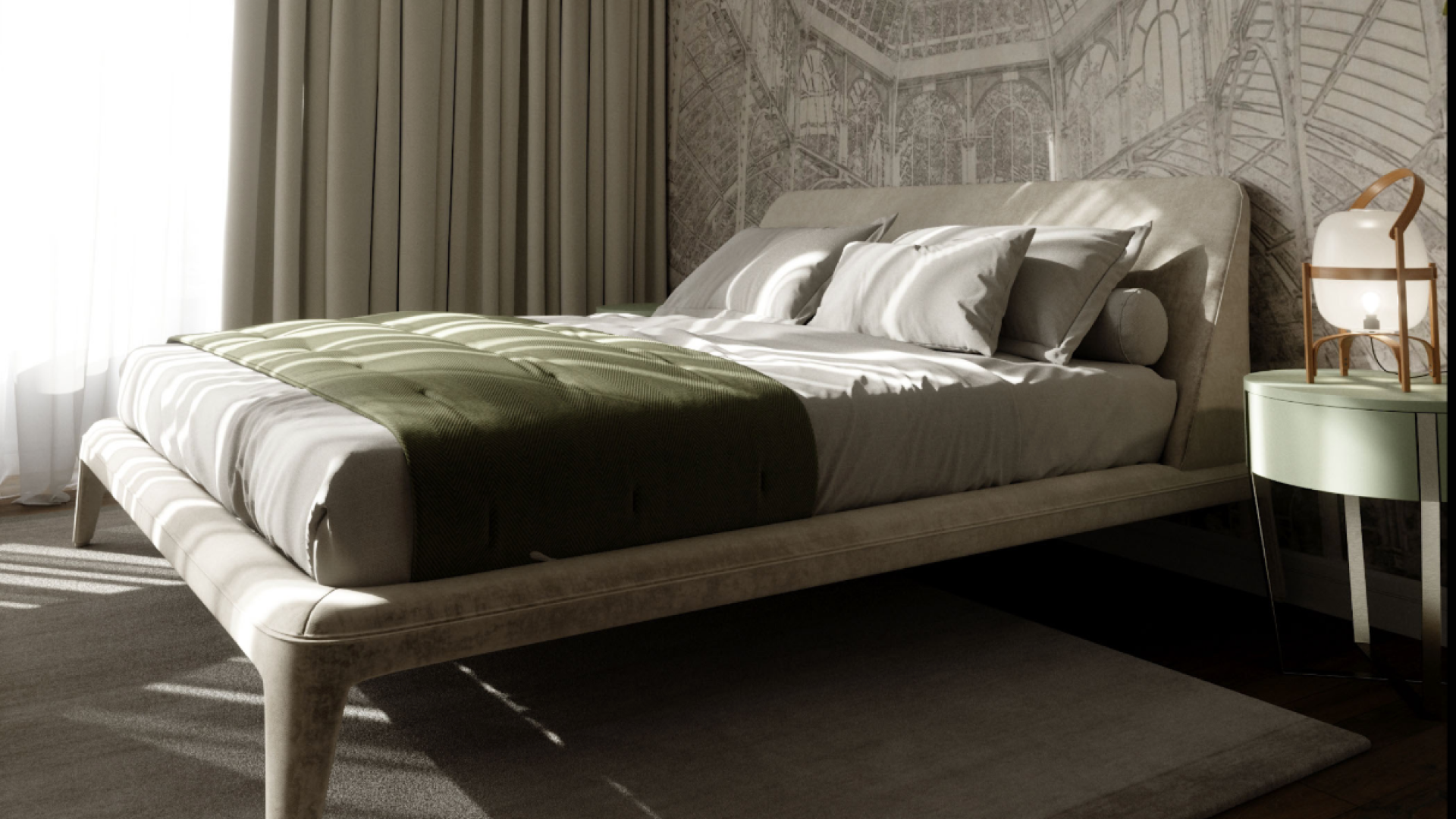
Introduction
Life today is fast, busy, and full of distractions. Because of this, people are looking for homes that feel calm and grounded. Minimal home interior design supports this lifestyle by removing visual noise and creating spaces that feel clear, uncluttered, and soothing.
Minimal design is not about empty rooms. It is about choosing carefully and living with intention. Every piece has a purpose. Every color is selected thoughtfully. The result is a home that feels peaceful, balanced, and emotionally refreshing.
Minimal interiors use clean lines, soft colors, natural materials, and open space. They allow the mind to relax and the senses to slow down. In this blog, we explore how minimal home interior design can help you achieve calm and balanced living.
Table of Contents
- What is minimal home interior design
- Principles of minimal living
- Benefits of minimal interiors
- Color palettes for calm minimal homes
- Furniture selection in minimal design
- Role of natural light and openness
- Minimal decor and styling ideas
- Using natural materials for a balanced feel
- How to declutter for a minimal lifestyle
- Common mistakes to avoid
- Conclusion
- FAQs
- What is minimal home interior design
Minimal home interior design focuses on simplicity, clarity, and a sense of spaciousness. It removes unnecessary elements and highlights what truly matters.
Key ideas include:
- fewer but higher quality pieces
- open visual space
- functional furniture
- neutral colors
- clean simple forms
The goal is emotional calm as much as visual beauty.
- Principles of minimal living
Minimal interiors are built around a few guiding principles:
- less but better
- everything has a purpose
- visual clarity
- open breathing spaces
- focus on function and comfort
Instead of constantly adding more items, minimal design encourages thoughtful removal.
- Benefits of minimal interiors
Minimal design has emotional and practical benefits.
It helps to:
- reduce stress
- improve focus
- create mental clarity
- make cleaning easier
- promote mindful living
A calm environment supports a calm mind. That is why many wellnesses focused homes follow minimal design.
- Color palettes for calm minimal homes
Color plays a huge role in creating peace.
Ideal minimal palettes include:
- soft whites
- warm beige
- stone and sand tones
- muted earth shades
- gentle greys
Avoid loud or overly bright colors because they stimulate the senses. Soft tones support relaxation and balance.
- Furniture selection in minimal design
Minimal homes do not use excessive furniture. Instead, each piece is chosen with intention.
Tips for selection:
- choose simple clean forms
- prefer quality over quantity
- select comfortable multi use pieces
- avoid heavy ornamentation
Low visual clutter allows the eye to rest and the space to feel calm.
- Role of natural light and openness
Natural light is one of the most powerful elements in minimal design. It makes spaces feel open, airy, and alive.
Ways to enhance it:
- use light curtains or sheer fabrics
- avoid bulky window treatments
- keep windows unobstructed
- use reflective surfaces like light walls and glass
Open layouts also support movement and create a balanced flow.
- Minimal decor and styling ideas
Minimal interiors do not mean empty spaces. They simply use fewer objects more thoughtfully.
Ideas include:
- a single large artwork instead of many small ones
- a sculptural vase on a clean table surface
- one elegant indoor plant
- statement lighting with simple form
Each object is allowed to breathe and become meaningful.
- Using natural materials for a balanced feel
Nature automatically brings calm energy into the home. Minimal design often uses natural materials such as:
- wood
- stone
- linen
- cotton
- clay
These textures feel warm and grounding. They connect interiors with nature and strengthen emotional balance.
- How to declutter for a minimal lifestyle
Decluttering is essential for minimal living.
Simple steps include:
- remove unused items
- keep only what you truly need
- store belongings in closed cabinets
- keep surfaces clear
- follow a one in one out rule for new purchases
Minimalism is not only a style but also a habit.
- Common mistakes to avoid
Avoid these mistakes when designing minimal homes:
- making spaces feel cold or empty
- overusing white without warmth
- ignoring comfort for the sake of aesthetics
- adding too many decorative items
- forgetting personal character
Minimal does not mean lifeless. Balance warmth and simplicity together.
Conclusion
Minimal home interior design is a powerful way to create calm and balanced living environments. By simplifying spaces, choosing neutral colors, using natural materials, and removing visual clutter, homes become peaceful refuges from busy daily life.
Minimal design is ultimately about intentional living. It invites you to slow down, breathe, and focus on what truly matters. A minimal home does not shout for attention. It quietly supports well-being, clarity, and emotional peace.
Transform your space into a peaceful retreat
FAQs
Q1: Is minimal interior design expensive
Not necessarily. It often reduces spending because you buy fewer items but choose better ones.
Q2: Does minimal design suit small homes
Yes, minimal design can make small spaces look larger and more open.
Q3: Can minimal homes still feel cozy
Absolutely. Warm colors, soft textiles, and natural materials keep minimal homes comfortable and inviting.
Q4: Do I need to get rid of everything to live minimally
No. Minimal living is about keeping what adds value and letting go of what does not.
Q5: Is minimal design the same as modern design
They are related but not identical. Modern design focuses on contemporary style, while minimal design focuses on simplicity and calm living.
