
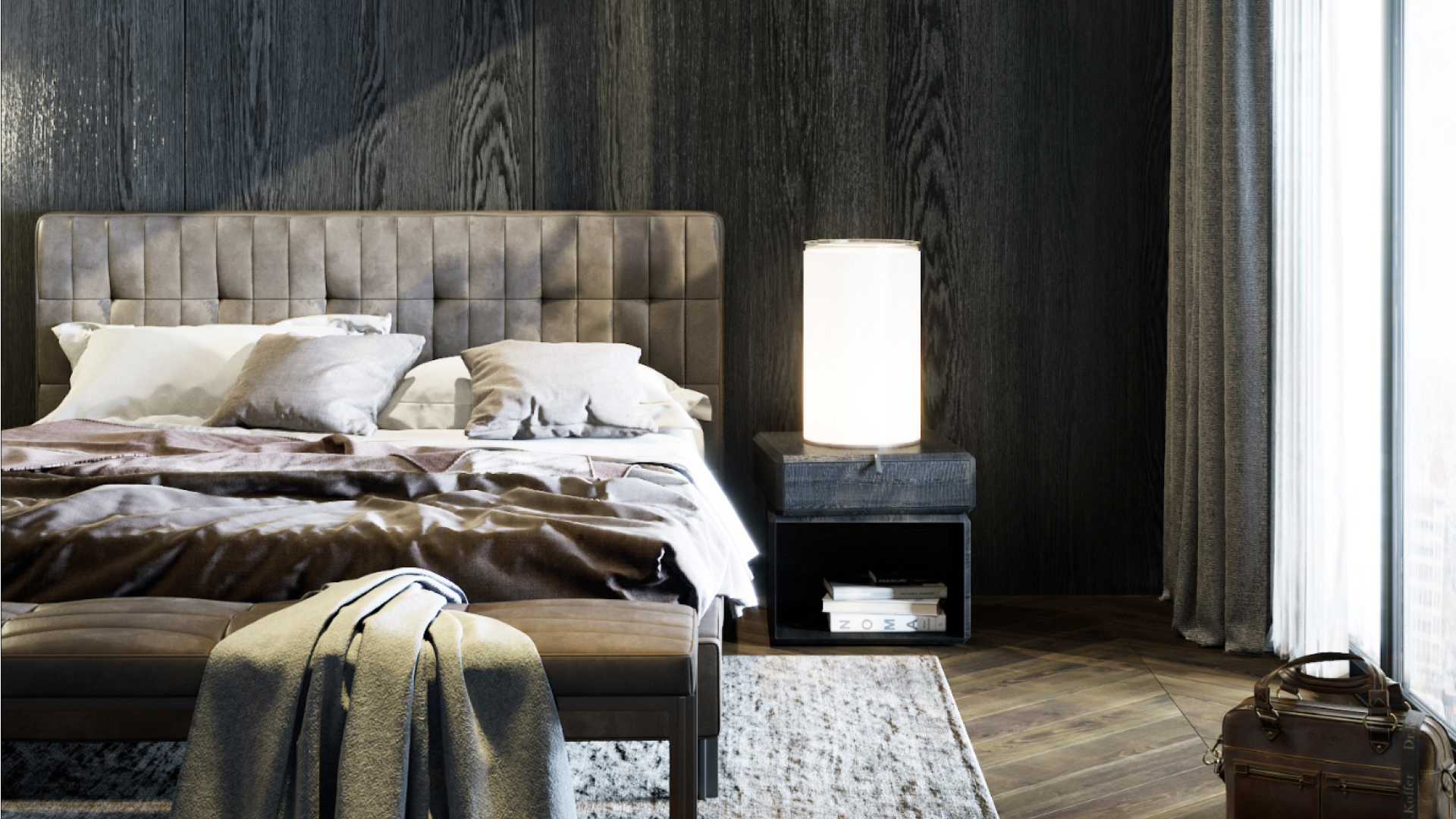
Discover why luxury home décor demand is soaring in India and Asia. Rising incomes, urbanisation, and real‑estate growth are reshaping homes into statements of style and status.
Introduction
As urban skylines in India and Asia swell with new developments, an interesting shift is underway homes are no longer just living spaces, but expressions of lifestyle, heritage, and aspiration. The demand for luxury home décor is rising rapidly, driven by growing affluence, changing tastes, and increased exposure to global design trends.
Table of Contents
- Why Luxury Home Decor Is Surging in Emerging Markets
- Key Drivers of Growth
- Rising Affluence & Expanding HNI Population
- Boom in Luxury Real Estate & Premium Housing
- Urbanisation and Expansion beyond Metro Cities
- Digital Access & E‑commerce Democratising Luxury
- Demand for Quality, Craftsmanship, and Sustainable Design
- Regional Trends India and Asia Together
- What It Means for Luxury Home Brands like LuxDeco
- Common Challenges & How the Market Is Responding
- Conclusion
- FAQs
Why Luxury Home Decor Is Surging in Emerging Markets
The last few years have witnessed a paradigm shift: from utilitarian, budget‑oriented furnishings toward premium, design‑driven décor and interiors. As people’s disposable incomes rise, more homeowners view décor not just as functionality but as a reflection of taste, personality, and social status. Premium home décor thus becomes a lifestyle statement a declaration of success, comfort, and aesthetic values.
Simultaneously, real estate development especially in the luxury and premium housing segment has created new demand for interiors that match the quality of the homes themselves. Homeowners of luxury apartments or villas increasingly seek furnishings and décor that complement their homes’ architectural and spatial sophistication.
Key Drivers of Growth
Rising Affluence & Expanding HNI Population
One of the primary drivers behind the surge in luxury home décor is the rise in disposable incomes and the expanding number of high–net‑worth individuals (HNIs) or upper‑middle class households. In India, for example, there’s increased spending on “premium lifestyle products,” including high-end furniture, décor items, and bespoke interiors.
As wealth grows, so does the aspiration for homes that reflect a refined lifestyle complete with luxury interiors. For many, investing in design-led furnishings and décor becomes part of their identity and personal brand.
Boom in Luxury Real Estate & Premium Housing
Luxury home décor demand is closely linked with luxury real estate. As more premium apartments and villas are built in cities across India and Asia, homeowners are seeking interiors to match their homes’ premium architecture.
Reports show that luxury housing sales in India have seen a steep rise in recent years, which has had a direct impact on demand for upscale interiors: from furniture, lighting, and décor to full-fledged interior design services.
For many buyers of luxury homes, buying décor isn’t optional it’s part of the package. They want interiors that reflect their taste, lifestyle, and the promise of a sophisticated living experience.
Urbanisation and Expansion beyond Metro Cities
Luxury interior demand is no longer limited to metros like Mumbai, Delhi, or Bangalore. With growing incomes and improving connectivity, Tier–2 and Tier–3 cities across India and parts of Asia are embracing premium decor and interior design.
As urbanisation spreads, more households are investing in quality furnishings, custom interiors, and décor that reflects both global sensibilities and local identity. This expansion beyond traditional luxury hubs is broadening the market reach for luxury décor brands.
Digital Access & E‑commerce Democratising Luxury
The rise of e‑commerce and digital marketplaces has played a massive role in bringing luxury décor to a wider audience. Online platforms allow consumers from smaller cities or remote locations to browse, compare, and purchase high-end furniture and décor pieces without needing to visit high-end showrooms.
Moreover, digital tools like AR/VR used to visualise interiors before purchase and convenient delivery options have made buying luxury décor far more accessible and convenient than ever before. This democratization of luxury is fueling demand across demographic segments that were previously unreachable.
Demand for Quality, Craftsmanship, and Sustainable Design
Modern consumers especially in emerging markets are increasingly valuing quality, heritage, and sustainability. They’re looking beyond cheap mass-produced furniture, preferring pieces crafted with skill, using premium materials, and designed to last.
Additionally, there’s rising awareness about eco-conscious design: sustainable materials, locally sourced craftsmanship, and minimal-waste interiors are being seen as the new definition of “luxury.”
This shift aligns well with consumers who want their homes to reflect not just wealth, but values artistry, responsibility, and timeless elegance.
Regional Trends India and Asia Together
While India stands out as one of the fastest-growing markets for luxury home décor, broader Asia-Pacific (APAC) shows similar trends. The APAC luxury furniture market is projected to grow strongly over the next decade, driven by rising urbanization, growth in high-net-worth populations, and increasing real-estate development.
Countries in Southeast Asia, along with India, are witnessing rising demand for quality interiors, thanks to expanding middle and upper-middle classes, improved online access, and greater exposure to global design trends.
For a brand like LuxDeco which emphasizes craftsmanship, design heritage, and premium interiors this pan-Asian growth presents a major opportunity.
What It Means for Luxury Home Brands like LuxDeco
- Market expansion: The growth in demand across geographies (metros, Tier-2/3 cities, and other Asian regions) means brands like LuxDeco can expand beyond traditional luxury hubs, tapping into a wider, more aspirational consumer base.
- Design + Craftsmanship sells: As consumers lean toward craftsmanship, heritage design, and sustainable materials not just trend-based décor LuxDeco’s focus on quality craftsmanship and premium materials becomes a strong differentiator.
- Omnichannel approach pays off: With digital reach, e-commerce, and social media exposure, LuxDeco can reach affluent, design-conscious consumers even in smaller cities or non-metro regions.
- Customisation & curated living: As buyers demand personalised, meaningful interiors, offering curated collections, bespoke pieces, and design guidance will increase brand value.
Common Challenges & How the Market Is Responding
Even with promising growth, certain challenges remain:
- Supply-chain constraints & raw-material costs Premium materials and imported finishes are subject to price volatility. Many manufacturers are adapting by sourcing sustainable or locally available materials without compromising quality.
- Regulatory & certification requirements Especially for environmental compliance and sustainable sourcing. The industry is responding by increasingly using certified materials and transparent sourcing.
- Affordability vs aspiration gap While demand is rising, not all aspirational buyers can afford high-end luxury décor. E-commerce, entry-level luxury, and financing options help bridge this gap.
- Need for design awareness & education Many buyers are still discovering what “luxury décor” means. Brands investing in storytelling, design guidance, and curated collections help customers understand value beyond price.
Conclusion
The rise of luxury home décor in emerging markets like India and Asia is not a fleeting trend, it’s a transformation driven by economic growth, urbanisation, increased aspirations, and an evolving lifestyle mindset. Growing affluence, luxury real estate expansion, digital access, and a thirst for craftsmanship are reshaping how people view their living spaces.
Shop Signature Pieces
FAQs
Q1: What is driving the surge in luxury home décor demand in India?
A: Rising disposable incomes, expansion of luxury real estate, growing HNI population, and changing lifestyle aspirations are major drivers.
Q2: Is demand for luxury interiors limited to big cities only?
A: No. Growing demand is coming from tier-2 and tier-3 cities as well, thanks to increased incomes, urbanisation, and digital access.
Q3: How important is craftsmanship and material quality in this trend?
A: Very important. Buyers increasingly value premium materials, sustainable sourcing, and artisanal craftsmanship over mass-produced décor.
Q4: Will online shopping continue to influence luxury décor demand?
A: Yes. E-commerce and digital marketplaces make luxury interiors accessible even in remote areas, helping expand the customer base.