
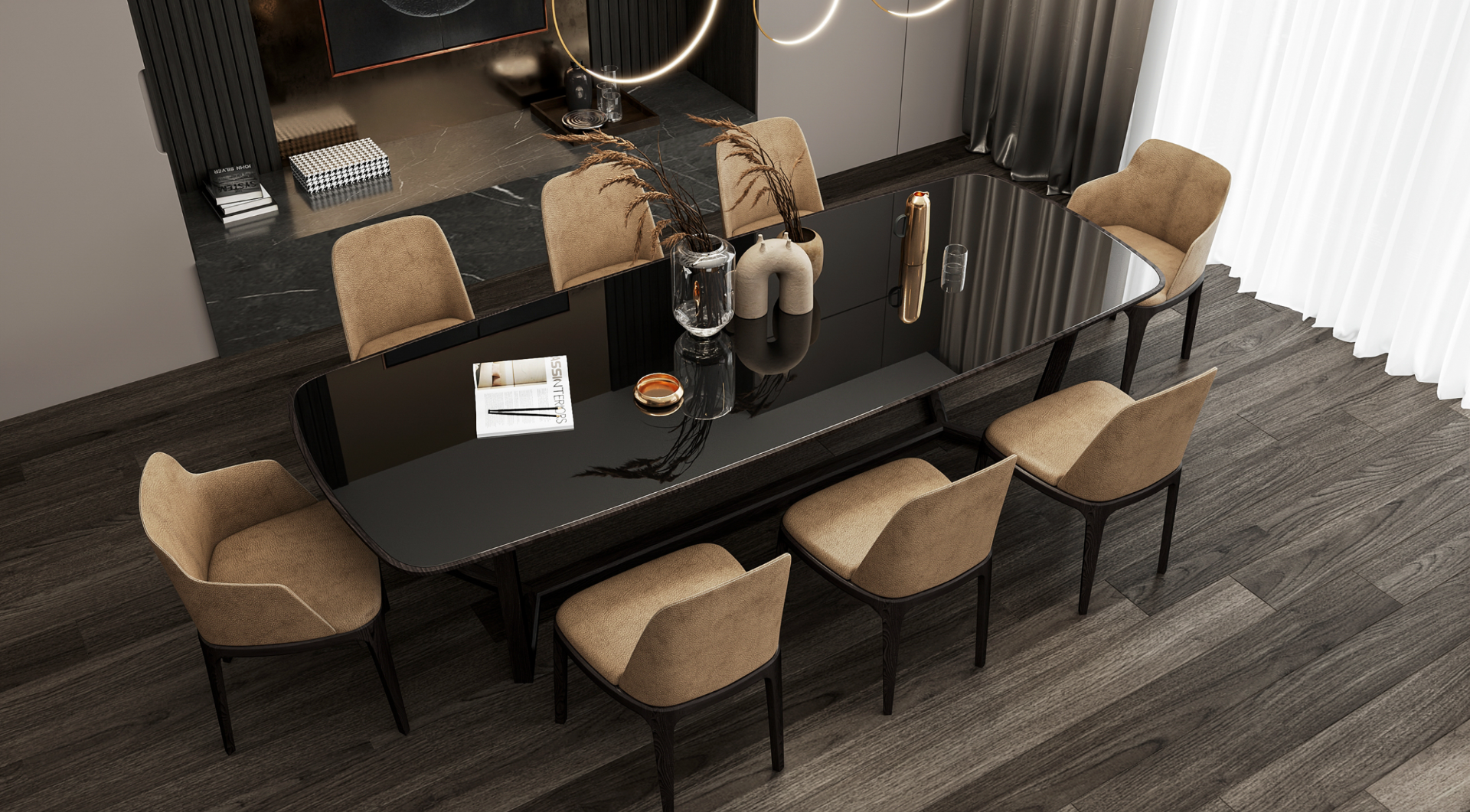
Introduction:
The design of a space for the purpose of having your meals in a way that is both visually attractive and functionally effective involves considerable planning, especially if space planning for the creation of a dining interior design is cleverly done in relation to interior design for dining. Regardless of the size of the space, the amenity and functionality of the space will depend on its zoning and proportion control.
This document, which is meant to be used internally, covers the concept of methodical techniques to optimize the maximum number of layout options while maintaining clear design
Other major aspects of a good diner design include understanding the pattern of movement, spatial flow, and lighting coordination. Table settings and chairs also form an indispensable part of it. Space planning makes it practical yet minimizes space
Understanding Space Allocation
Measure the available floor space and clearly mark movement zones before selecting any furniture or décor pieces. To avoid confusion, a well-designed dining area provides a minimum of 36 inches of space for movement around the table.
Important things to think about are:
- Keep the distance between dining chairs and nearby walls constant.
- Make sure that the dimension of the table corresponds to the size of the room.
- Steer clear of large storage units that take up too much walking space.
- To visually frame the arrangement, place the bulbs directly above the table.
Choosing the Right Table Shape
Seating comfort and mobility efficiency are both directly affected by table shape. Round dining tables facilitate easier flow within small spaces, while rectangular tables perform best in long spaces. Working with a luxury interior designer can help certain assignments clarify scale refinement and proportion balance, particularly in asymmetrical layouts.
Optimizing Storage Without Clutter
Before the actual process of aesthetic layering begins, LuxDeco’s internal design processes involve a very detailed and focused approach to planning, resulting in the layout’s clarity and proportionate balance being determined prior to the actual final aesthetic layering process. Through detailed documentation of the workflow and furniture placement, the actual process of mapping out the space is introduced.
However, before arriving at any final décor recommendations, execution planning includes traffic flow analysis, assessment, and planned material evaluation. This way, every move is purposeful and not just a reaction to situations. At LuxDeco, controlled execution without any visual excess includes its spatial logic and customer demands through careful input and requirements for usability.
Coordinating Furniture and Layout
The selection of materials and furniture design must complement the overall spatial objectives. Some teams compare dimensions, finishes, and functional suitability within predetermined arrangements while investigating sourcing options through reviewing collections from Durian Furniture. Fit and balance should continue to be prioritized over decisions based solely on brand.
Comfort and availability should always come first when placing furniture.
Lighting and Visual Balance
Lighting plays a structural role in spatial perception. Pendant lights centered over the table create focus, while wall-mounted fixtures prevent unnecessary floor occupation.
- Use layered lighting to define zones.
- Avoid oversized chandeliers in low-ceiling rooms.
- Ensure dimming controls for adaptable ambiance.
- Coordinate color temperature with wall finishes.
Balanced illumination enhances both usability and visual structure.
Planning for Multi-Functional Use
Modern dining spaces often double as work or gathering areas. Flexible seating, extendable tables, and stackable chairs provide adaptability without overcrowding the room. Smart zoning through rugs or subtle partitioning can define dining boundaries while keeping the area visually open.
Designing with adaptability in mind improves long-term practicality.
Aligning Brand Philosophy and Design Execution
Internal design processes at LuxDeco emphasize measured planning before aesthetic layering begins. The integration of structured layouts ensures each project maintains coherence between concept and functionality, supported by documented spatial blueprints and structured material evaluation methods.
Detailed execution planning includes circulation mapping, proportional analysis, and lighting coordination before décor recommendations are finalized. By aligning spatial logic with client requirements, LuxDeco maintains controlled execution rather than decorative excess.
Conclusion
Thoughtful execution also helps comfort and efficiency to thrive within the same layout without compromising visual understanding, and intelligent design ensures functionality continues to thrive within the space as a dining zone with balanced and flexible potential to meet changing demands. If you are in need of organized and methodical planning advice and require guidance with functionality and not over-complication, then contact us to discuss the various practical and efficient designs.