
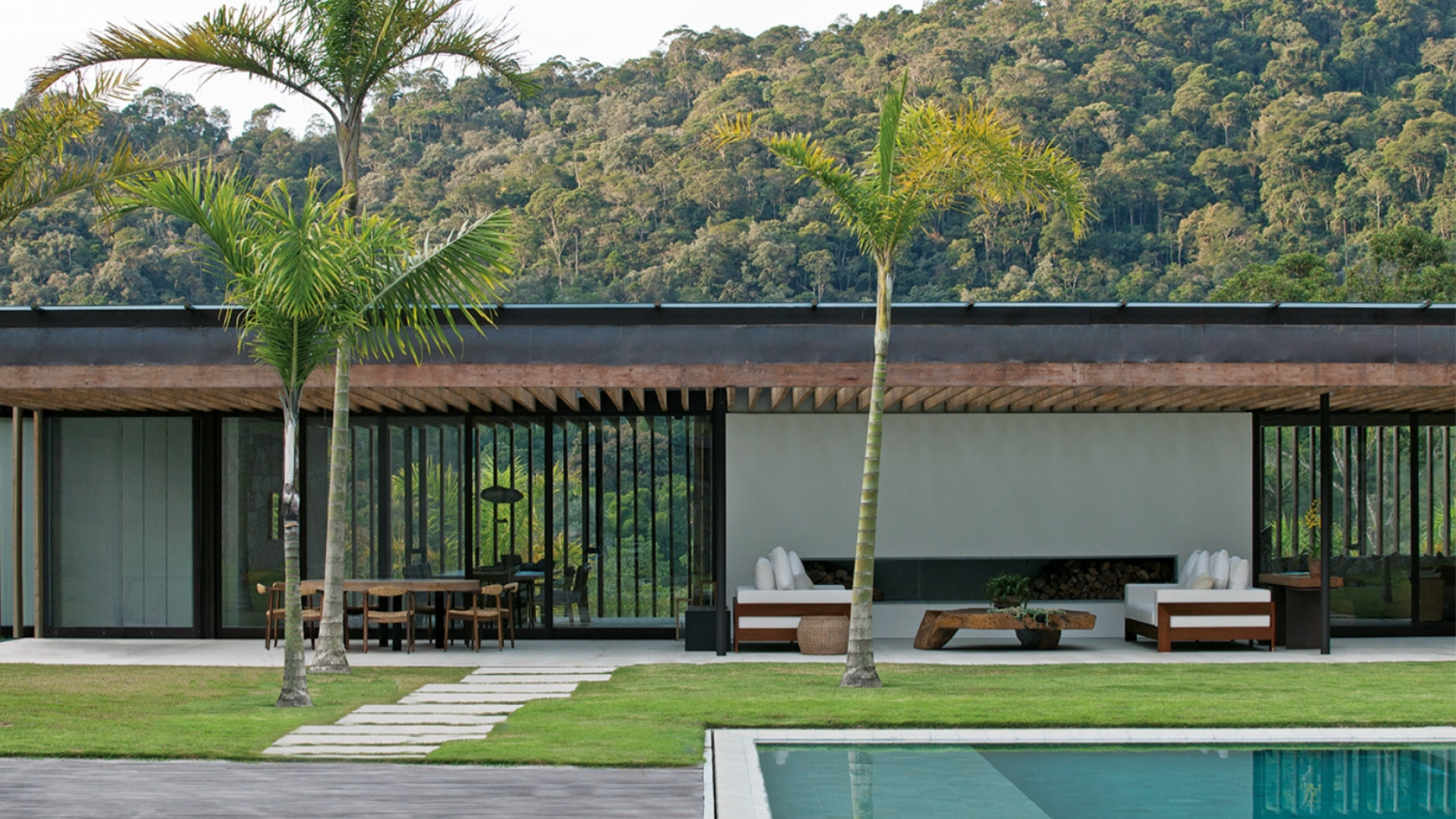
Elevate your space with eco-friendly luxury. Discover modern tips for incorporating sustainable decor and ethically sourced materials in your home.
Introduction
Sustainable luxury is leading the way in modern interior design. With climate change and ethical sourcing at the forefront of conscious consumerism, high-end homeowners are seeking ways to combine elegance with environmental responsibility. This blog explores how to infuse luxury homes with eco-friendly, ethically sourced, and stylish decor, offering practical steps and design inspiration for a truly refined, future-ready space.
Table of Contents
- Why Sustainable Decor Is the New Luxury
- Ethically Sourced Materials for Elegant Living
- Best Sustainable Decor Practices
- Must-Have Features in Eco-Luxury Homes
- Eco-Conscious Decorating Tips
- Conclusion
- FAQs
Why Sustainable Decor Is the New Luxury
Luxury is no longer defined by excess, but by intention. Today’s buyers want interiors that tell a story one of quality, care, and respect for the planet. The growing market for eco-friendly products is driven by:
- A desire to reduce environmental impact.
- A demand for transparency and provenance.
- The appeal of heirloom quality, not “fast” furnishings.
Ethically curated tastes are now inseparable from the world of high-end décor.
Ethically Sourced Materials for Elegant Living
Choose materials that align beauty with environmental stewardship:
- Reclaimed wood: Adds warmth and character while minimizing deforestation.
- Bamboo and rattan: Sustainably harvested and long-lasting.
- Organic fibers: Cotton, linen, and hemp for soft furnishings and textiles.
- Recycled metals and glass: Perfect for accent pieces and lighting.
Prioritize certifications such as FSC (Forest Stewardship Council), OEKO-TEX, or Fair Trade when possible.
Best Sustainable Decor Practices
Biophilic & Minimalist Design
Bring nature inside with living plants, natural finishes, and large windows that maximize daylight. Use multipurpose furniture and simple layouts to enhance wellness and reduce cutter.
Energy and Resource Efficiency
- Opt for LED and smart lighting.
- Invest in high-performance, energy-saving appliances.
- Use thermal curtains and eco-blinds for temperature regulation.
Upcycling and Local Artisans
Feature restored antiques or upcycled finds for one-of-a-kind flair. Support local craftsmen who use ethical methods, ensuring authenticity and reduced carbon footprint.
Must-Have Features in Eco-Luxury Homes
- Modular, durable furniture crafted to last generations.
- Natural stone, reclaimed timber, and earth-toned palettes.
- Low VOC paints and plant-based finishes for a healthy indoor atmosphere.
- Handmade rugs or wall art using recycled materials.
- Indoor gardens, terrariums, or vertical green walls.
Eco-Conscious Decorating Tips
- Buy less, choose well opt for timeless investment pieces over passing trends.
- Layer organic textures for tactile richness and comfort.
- Embrace neutral hues and earth-inspired palettes.
- Seek brands with transparent sustainability policies.
- Regularly refresh your space with rearranged layouts and plant accents.
Conclusion
Sustainable interior design doesn’t mean compromising on sophistication. By making conscious choices and investing in quality materials, your luxury home becomes both a style statement and a nurturing space for generations to come. With every eco-friendly decision, you shape a healthier future for both your family and the planet.
Discover Your Eco Luxury
FAQs
Q1: What are the top materials for sustainable luxury decor?
FSC-certified wood, bamboo, recycled metals/glass, organic cotton or linen, and rattan are excellent, eco-friendly choices.
Q2: Is it possible to find luxury brands that prioritize sustainability?
Yes. Many luxury brands now offer clearly labelled eco-friendly lines, ethical sourcing, and responsible production.
Q3: How can I be sure a decor item is truly sustainable?
Look for third-party environmental certifications, traceable materials, and transparent supply chain policies.
Q4: Does eco-design work for all interior styles?
Absolutely. Sustainability is adaptable whether your style is classic, contemporary, or minimal, eco-friendly options are available to suit every aesthetic.