
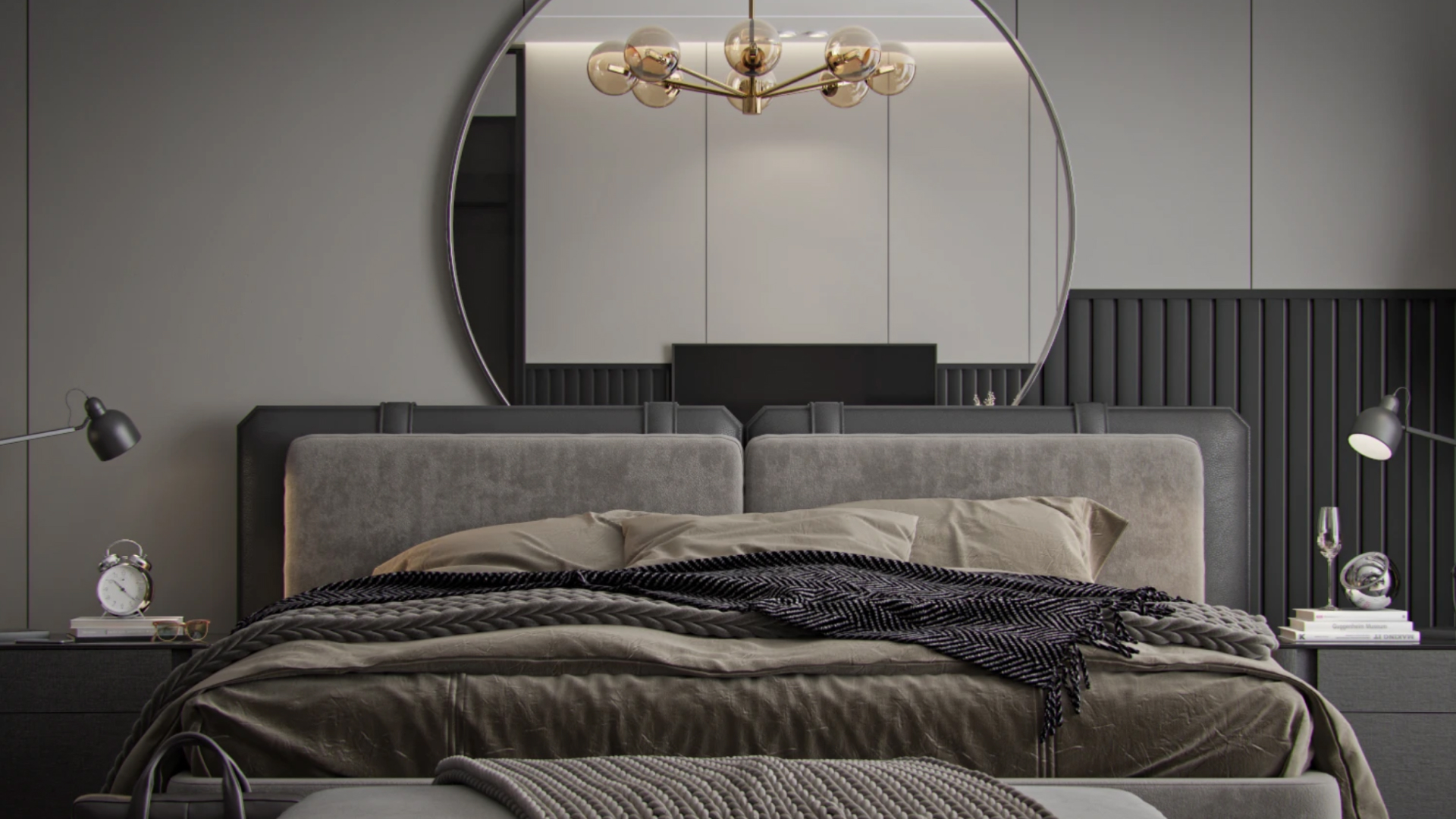
Avoid common luxury interior design mistakes with expert tips. Learn how to fix proportion, colour, lighting, and décor errors to create a stylish, elegant home.
Introduction:
Luxury interiors are all about refinement, comfort, and thoughtful detail. Yet even the most beautiful spaces can fall short if key design principles are overlooked. Common mistakes like poor proportion, mismatched colours, or over-cluttering can make a home feel chaotic rather than curated. The good news is that most errors are simple to correct with a strategic approach. Understanding these pitfalls and how to fix them can elevate any space from “nice” to truly luxurious. This guide walks you through the most frequent luxury interior design mistakes and offers solutions to ensure your home feels harmonious, sophisticated, and effortlessly stylish.
Table of Contents:
• Introduction
• Mistake 1: Ignoring Scale and Proportion
• Mistake 2: Overcrowding with Furniture or Accessories
• Mistake 3: Choosing the Wrong Colour Palette
• Mistake 4: Poor Lighting Choices
• Mistake 5: Neglecting Textures and Layers
• Mistake 6: Skipping Personal Touches
• Mistake 7: Overlooking Functionality
• Mistake 8: Failing to Curate Art and Décor
• Conclusion
• FAQs
Mistake 1: Ignoring Scale and Proportion
A luxury interior can feel unbalanced if furniture is too small or too large for the room. Oversized sofas can overwhelm small spaces, while tiny accent chairs can get lost in a grand living room. Correcting this involves measuring carefully before purchasing and choosing pieces that suit the room’s dimensions. For a cohesive look, maintain proportional relationships between major elements sofas, tables, rugs, and artwork should complement each other in size and scale.
Mistake 2: Overcrowding with Furniture or Accessories
Clutter can diminish even the most expensive interiors. Luxury design favors curated simplicity. Too many chairs, tables, or décor items can make a space feel cramped and chaotic. The fix? Edit ruthlessly. Focus on a few high-quality, statement pieces and remove anything that doesn’t serve both function and style. Negative space is a hallmark of sophistication it allows your curated pieces to shine and the room to breathe.
Mistake 3: Choosing the Wrong Colour Palette
Colour mistakes are common in high-end interiors. Overly bright or clashing colours can overpower the room and disrupt its sense of calm. Luxury spaces typically rely on harmonious palettes muted neutrals, soft pastels, or carefully layered tones. To fix colour issues, start with a base colour and layer complementary shades. Use accent colours sparingly in cushions, throws, or artwork, rather than over-saturating walls or large surfaces.
Mistake 4: Poor Lighting Choices
Lighting defines the mood and feel of a room. Relying on a single ceiling light or harsh fluorescent bulbs can flatten a space and reduce its elegance. Luxury interiors use layered lighting a combination of ambient, task, and accent lights to create depth and warmth. Adding dimmers, statement lamps, and strategically placed wall sconces can transform a room. Pay attention to natural light too; ensure windows are unobstructed and window treatments allow both privacy and brightness.
Mistake 5: Neglecting Textures and Layers
Texture adds visual interest, depth, and comfort. A room dominated by a single material or finish can feel cold and lifeless. Luxury interiors layer fabrics, finishes, and surfaces to create richness. Combine velvet cushions with linen throws, plush rugs with polished wood floors, or metallic accents with matte surfaces. Textural layering enhances the sense of comfort while maintaining sophistication.
Mistake 6: Skipping Personal Touches
Luxury isn’t just about expensive furniture or finishes it’s about creating a space that feels lived-in and personal. Homes without personality can feel sterile. Adding curated personal elements family photos in elegant frames, heirloom décor pieces, or travel-inspired art makes a space inviting while keeping it refined. The trick is to integrate these items thoughtfully, without cluttering or disrupting the design flow.
Mistake 7: Overlooking Functionality
Even the most stunning interiors fail if they’re impractical. Luxury design balances aesthetics with usability. Consider traffic flow, storage solutions, and furniture comfort when planning your layout. Hidden storage, multipurpose furniture, and organized closets are essential for creating a home that feels luxurious and lived-in, rather than just visually impressive.
Mistake 8: Failing to Curate Art and Décor
Art and décor are powerful tools in luxury design, but poor placement or overstuffing walls can ruin the effect. Choose pieces that harmonize with your colour palette, room scale, and overall style. Avoid overcrowding gallery walls or mixing too many styles. Lighting artworks properly and leaving breathing space around them creates a gallery-like feel that feels curated, intentional, and elevated.
Conclusion
Luxury interior design is about more than expensive materials. It’s about intention, balance, and thoughtful curation. Avoiding common mistakes like poor proportion, clutter, harsh colours, insufficient lighting, and lack of texture ensures your home feels polished, serene, and inviting. By combining elegant design principles with personal touches and functional considerations, you can create a space that is both beautiful and liveable, offering the ultimate expression of timeless sophistication.
FAQs
What is the most common mistake in luxury interior design?
Ignoring scale and proportion is the most frequent error, as it can make even high-end furniture feel out of place.
How do I fix a cluttered luxury room?
Edit ruthlessly, keep only high-quality statement pieces, and maintain negative space for balance.
What lighting works best for luxury interiors?
Layered lighting with dimmers, including ambient, task, and accent lights, creates warmth and depth.
How can I add luxury without spending a fortune?
Focus on textures, curated décor, lighting, and personal touches that enhance the space without necessarily being expensive.